Have you been considering having insulation services carried out on your home? Are you stuck between spray foam insulation or fibreglass roll insulation? If the answer is yes, you have come to the right place; our team here at One Insulation have provided spray foam insulation for several years; during this time, we have learnt a thing or two about insulation.
In this blog, we will discuss the differences between insulation options and what their benefits are. Insulation is a great way to save money on your home and reduce nasty winter bills. Get in touch if you want more information, or keep reading to learn more about spray foam insulation.
Spray Foam Insulation
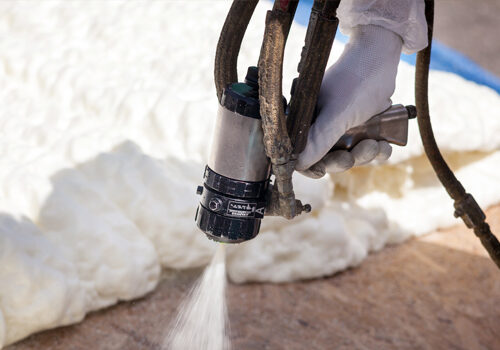
Spray foam insulation is a type of insulation sprayed onto surfaces to keep out air and moisture. It is made up of two components: polyurethane and resin. Spray foam insulation can be used in homes, businesses, and even boats!
How Does Spray Foam Insulation Work?
When the polyurethane and resin mix, they create a foam that expands and fills the cracks and crevices in the surface. This creates a seal that keeps out air and moisture, leading to decreased energy bills.
Why Spray Foam Insulation?
There are many reasons you should choose spray foam insulation over other types of Insulation. Some of these include:
- Spray foam insulation can be used in tight spaces, making it great for homes.
- Spray foam is more energy-efficient than other types of insulation because there are fewer air leaks that need to be sealed off with weatherizing tape or caulking. This means less money will have to go toward heating and cooling costs every month!
- Spray foam insulation is an excellent option for businesses, as it can help reduce sound transmission and improve the comfort of employees.
Fibreglass Insulation
Fibreglass insulation is not a new type of insulation, but it remains one of the most popular and effective types. Fibreglass insulation can be found in homes all over America and offers many benefits to homeowners!
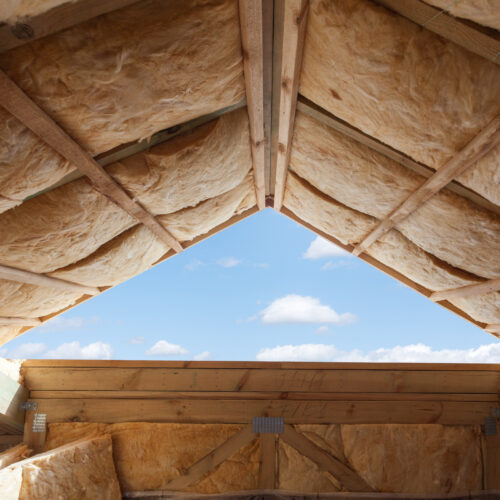
Fibreglass insulation comprises tiny glass fibres that are spun together with resins. These fibres are then compressed and formed into panels, batts, or blankets that can be installed in your home.
How Does Fibreglass Insulation Work?
Fibreglass insulation works by trapping air between the tiny glass fibres. This air acts as an insulating barrier and prevents heat from escaping in the winter or entering in the summer.
Why Fibreglass Insulation?
There are many reasons why fibreglass insulation is a popular choice for homeowners. Some of these reasons include:
- Fibreglass insulation is one of the most affordable types of insulation.
- It can be installed in just about any home, including homes with crawl spaces and attics.
- Fibreglass insulation is resistant to fire, moisture, and pests.
- It can help reduce sound transmission in your home.
Cellulose Insulation
Cellulose insulation is made from recycled materials like newspapers, cardboard, and plastics. It is one of the most environmentally friendly types of insulation available!
How Does Cellulose Insulation Work?
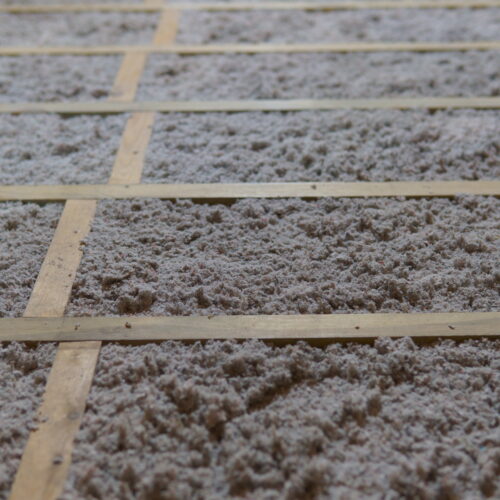
Cellulose insulation is made of tiny pieces of paper treated with a fire-resistant material. When these pieces of paper come into contact with air, they expand and form a thick insulation barrier.
Why Cellulose Insulation?
There are many reasons you should choose cellulose insulation over other types of insulation. Some of these reasons include:
- Cellulose insulation is environmentally friendly.
- It can be installed in homes with attics, crawl spaces, and unfinished basements.
- Cellulose insulation is resistant to fire, pests, and moisture.
- It can help reduce sound transmission in your home.
Price Comparison
The price of insulation can vary depending on the type you choose. Spray foam insulation is more expensive than fibreglass insulation, but it is also more effective. Cellulose insulation is the most affordable option, followed by fibreglass insulation.
The best option depends on your budget and the needs of your home. No matter what type of insulation you choose, be sure to contact a professional installer or contractor. Spray foam insulation is considered an advanced type of insulation and should only be installed by professionals!
R-Value
The R-value of your Insulation will vary depending on the product you choose, but it can range from R-11 for fibreglass up to R-49 for spray foam. Spray foam insulation has the highest R-value of any other type of insulation!
When choosing insulation, it is essential to consider the R-value. This number tells you how effective the insulation will prevent heat transfer. The higher the R-value, the better the insulation will be at keeping your home comfortable and energy-efficient!
Which Insulation Is Right For You?
Ultimately, the choice of insulation comes down to personal preference and what will work best for your home.
Spray foam insulation is an excellent option if you’re looking for maximum energy efficiency and soundproofing in your home, but it can be more expensive than other types of insulation. Fibreglass and cellulose insulation are cost-efficient options that offer many benefits to homeowners!
Contact One Insulation For More Information
Spray foam insulation can be an excellent option for homeowners to reduce their energy bills. If you consider different insulation types, compare the cost and effectiveness of spray foam with other forms of attic or basement insulation. You’ll find that it outperforms fibreglass batt insulation, cellulose insulations, and traditional blown-in insulation in many important ways.
Get in touch with one insulation today to find out more information, we are always on hand to offer you the best insulation services in the area.