When it comes to keeping the interior of your home comfortable and energy efficient, insulation is one of the most important steps you can take. Not only does it help regulate the temperature within your house, but it also keeps drafts at bay and helps reduce noise levels.
But with so many types of insulation options on the market today, it can be hard to know which option would work best for your home.
In this article, written by our team here at One Insulation, we’ll explore all the different types of insulation available – from fibreglass to spray foam – so that you can make an informed decision about which type is right for you.
What Are The Options Available?
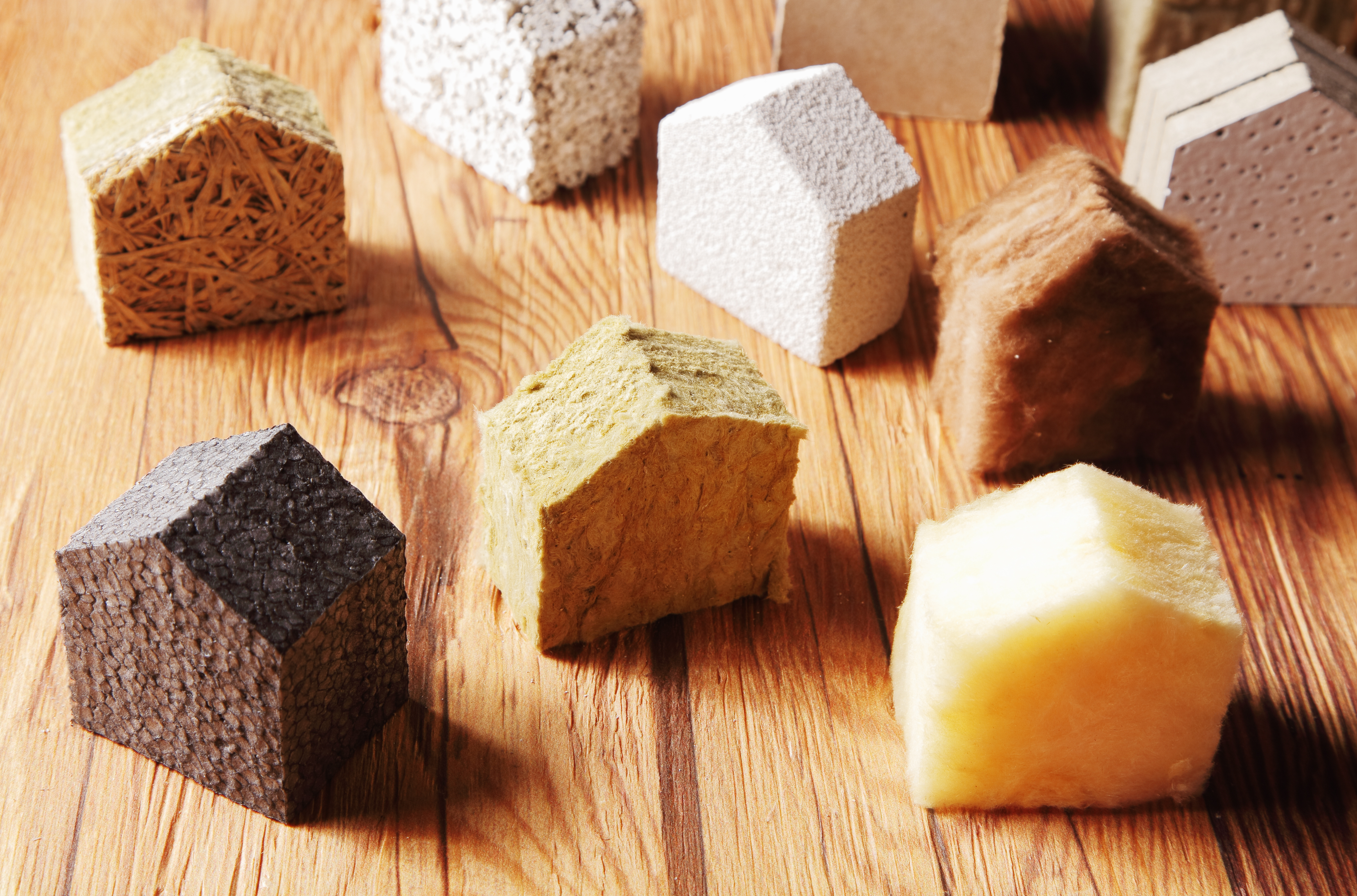
Several types of insulation are available on the market, each with its properties and characteristics. Some of the most common types include:
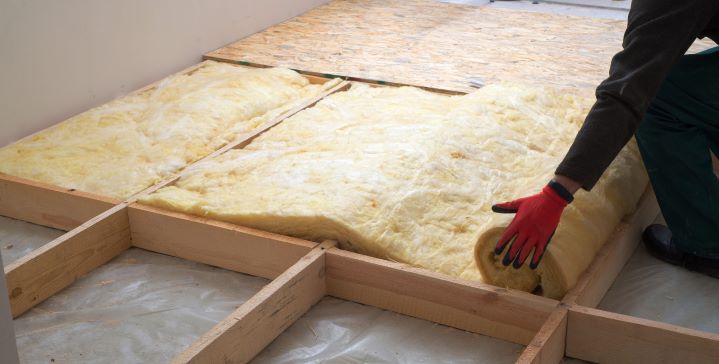
Fibreglass insulation: Made from glass fibres, this type of insulation is available in loose fill, batts, or blankets. It is a common choice for walls, attics, and crawl spaces.
Cellulose insulation: Made from recycled paper products, cellulose insulation, is available as loose-fill or sprayed-in insulation. It is often used in walls, attics, and floors.
Spray foam insulation: This type of insulation is applied as a liquid and then expands to form a solid foam. It can be used in walls, attics, and floors, as well as in hard-to-insulate areas around corners and tight spaces.
Rock wool insulation: Made from natural rock, this insulation is available in loose fill, batts, or panels. It is often used in walls, attics, and floors.
Rigid foam insulation: This type of insulation comes in large, rigid sheets and is often made from polystyrene or polyurethane. It is often used in walls, attics, and floors, as well as for foundation insulation.
Radiant barrier insulation is a reflective material reflecting radiant heat away from the living space. And is often used in attic spaces, walls or roofing.
All these insulation options have advantages and disadvantages, and the choice will depend on the specific application and requirements.


Why Should You Choose Spray Foam Over The Other Options?
Spray foam insulation is a popular choice for many homeowners and builders because of its high R-value and ability to fill hard-to-insulate areas. Some of the specific advantages of spray foam insulation include the following:
High R-value: Spray foam insulation has a higher R-value per inch than most other types of insulation, which means it is more effective at slowing down heat transfer.
Air-sealing properties: Spray foam insulation can fill gaps, cracks and crevices in the building envelope, creating a tight barrier against air leaks.
Versatility: Spray foam insulation can be used in many applications, including walls, attics, floors, around corners and tight spaces.
Long-lasting: Spray foam insulation does not settle, sag or lose its insulating properties over time, making it a durable and long-lasting insulation option.
Provides moisture barrier: Spray foam insulation can also help to prevent moisture buildup in the walls, which can lead to mould and mildew growth.
Easy to install: A professional contractor can quickly and easily install Spray foam insulation.
Spray foam insulation can provide an energy-efficient, air-tight and moisture-controlled living space while reducing energy costs. It is highly recommended to check with local codes and regulations before installing any insulation material, and it’s always a good idea to use professional services for the installation.
Can You Remove Old Insulation To Replace it With Spray Foam?
Removing old insulation and replacing it with spray foam insulation is possible. The process of removing old insulation will depend on the type of insulation that is currently in place. For example, if the insulation is in batts or blown-in cellulose, it can be removed by pulling it out by hand or with a vacuum.
However, if the insulation is in spray foam, it may be easier to remove and require specialised equipment.
It’s important to note that removing old insulation can be a messy and time-consuming process, and it can also release fibres or particles that can be harmful to inhale. Thus, it’s essential to consider hiring a professional insulation contractor with proper protective gear and equipment to handle this process.
When the old insulation is removed, the area should be inspected for any signs of damage, such as water infiltration or mould growth. Any issues should be addressed before the new insulation is installed. Spray foam insulation should only be installed by trained and licensed professionals, as it involves spraying a chemical mixture that expands and hardens to form a solid foam.
It is important to note that, before installing any new insulation, ensure that any electrical wiring, ductwork and other infrastructure is adequately sealed or moved out of the way to avoid damage. A professional insulation contractor will have the experience to handle this process and ensure that the new insulation is installed correctly and efficiently.
Contact One Insulation Today For Spray Foam Solutions
Deciding to insulate your home is an excellent step toward saving energy and money. Still, knowing your options is essential before moving forward with any insulation project.
Different types of insulation are better suited for different areas of the home, so be sure to do your research and figure out which option is best for you. If you need more help deciding or have questions about the installation process, don’t hesitate to reach out to us—we’re always happy to help.
Contact One Insulation today, and we can get started on helping you lower your energy bills and keep your family comfortable all year round.