Spray foam is an excellent material for Insulation because it will expand to fill any void in your home. It’s an ideal material for sealing air leaks, saving you money on your energy bills. It provides a better barrier to noise in your walls and ceilings than traditional insulation methods such as fibreglass batts or cellulose.
But not all spray foam is the same. There are two basic types: open-cell and closed-cell. Each has its benefits and drawbacks, so knowing which one is best for your project before buying spray foam insulation is essential.
The main difference between the two types is that closed-cell spray foam is denser than open-cell spray foam, making it more durable and longer-lasting. This type of spray foam also has better insulating properties than open-cell spray foam.
Our team have been providing spray foam installation services for several years. We have worked with both versions of the material; if you want to find out more information, get in touch with our team. We are always happy to help.


What Is Open-Cell Spray Foam?
Open-cell spray foam is a two-component system, meaning that it’s made up of two different components to make the final product. The first component is the resin, and the second component is the catalyst. These components are mixed in a large tank before entering the sprayer.
The resin used in open-cell spray foam is usually polyethene or polyurethane. It’s important to note that the resins used can vary depending on what type of Insulation you’re trying to achieve with your spray foam project. For example, suppose you’re trying to insulate exterior walls in a residential home. You’ll probably want to use polyurethane because it has better air barrier properties than polyethene-cell spray foam and has lower R-values than closed-cell spray foam.
Benefits Of Open-Cell Spray Foam
Open-Cell spray foam doesn’t have any impermeable membranes separating its cells from each other as closed-cell products do. This means that open-cell products will conduct heat better than closed-cell products because there’s less resistance between cells in an open cell material than in a closed-cell material.
Open-cell spray foam is used for uninsulated walls and ceilings, where it can be sprayed directly on the framing members or over the existing Insulation. It is also used for insulating large areas such as attics and crawl spaces. Open-cell spray foam expands to fill wall cavities by creating tiny air cells that prevent heat from escaping through the walls. This type of spray foam provides an R-value (resistance to heat flow) of about 3 per inch of thickness.
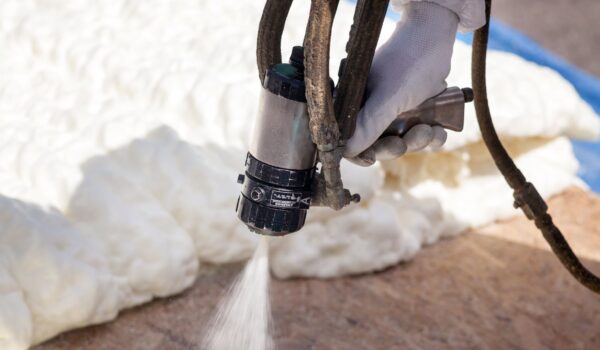
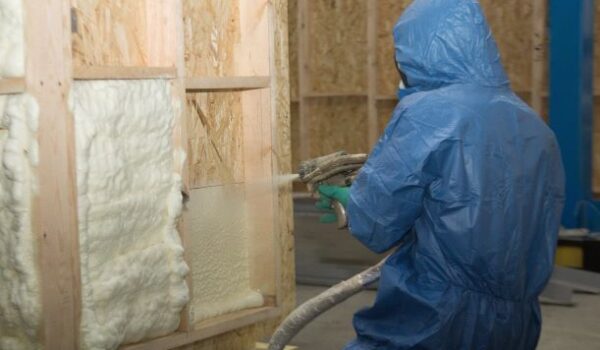
What Is Closed-cell Spray Foam?
Closed-cell spray foam is made from a different chemical formula than open-cell spray foam. Closed-cell spray foam is also known as two-part polyurethane foam (2-part PU). The chemicals are combined in a reaction vessel to produce a rigid cellular structure with closed pores that don’t let air or water pass through it quickly. This makes closed-cell spray foam ideal for roofs because it doesn’t absorb water as open-cell foam does.
One advantage of closed-cell spray foam is that its density makes it less likely to be damaged by wind than open-cell material. The downside is that closed-cell requires more specialised equipment for installation than other types of Insulation.
Closed-cell refers to cells that have no gas trapped inside them. This means no moisture or oxygen in the cell, preventing mould growth and eliminating air leaks through cracks and crevices. Closed-cell spray foam is typically used in high traffic areas where durability is essential such as basements and crawl spaces. Still, it can also be used on exterior walls where water resistance is needed, like around windows or doors.
Closed-cell spray foam provides an R-value of about 6 per inch of thickness and can be installed over existing Insulation if needed. This type of spray foam expands when heated by the sun’s rays, filling tiny gaps between framing members, such as at window openings, reducing air leaks that cause drafts. Closed-cell spray foam works well as a vapour retarder because it prevents water vapour from moving through walls or ceilings into colder areas inside your home or office.
What Are The advantages Of Closed-Cell Spray Foam?
Closed-cell spray foam insulation offers several unique advantages that make it a popular choice for homeowners seeking effective insulation solutions. One of the primary benefits of closed-cell spray foam is its self-contained nature. Unlike some other insulation types, closed-cell spray foam does not require an additional layer of insulation such as fibreglass or cellulose. This means that once it’s applied, closed-cell spray foam forms a complete and robust insulation barrier on its own, saving you time and the expense of adding extra layers.
Additionally, closed-cell spray foam is known for its structural integrity and stiffness. This characteristic makes it particularly suitable for insulating irregularly shaped spaces like attics or crawl spaces. When you need to fill such areas, closed-cell spray foam’s rigidity allows it to maintain its shape and effectively cover all the nooks and crannies. This not only ensures a thorough insulation job but also contributes to the structural stability of your home.
Moreover, the exceptional air-sealing properties of closed-cell spray foam provide a critical advantage. Unlike open-cell spray foam, which has a more porous structure, closed-cell foam forms a dense and impermeable barrier. This means there are no open areas where air can infiltrate your home through cracks or gaps between framing members. As a result, closed-cell spray foam helps maximise energy efficiency, reduce drafts, and enhance indoor comfort while potentially lowering your heating and cooling costs.
In summary, closed-cell spray foam insulation stands out for its self-sufficiency, structural rigidity, and superior air-sealing capabilities. Choosing closed-cell spray foam for your insulation needs can lead to long-lasting energy savings and a more comfortable living environment, making it an excellent choice for attics, crawl spaces, and other areas in need of insulation.
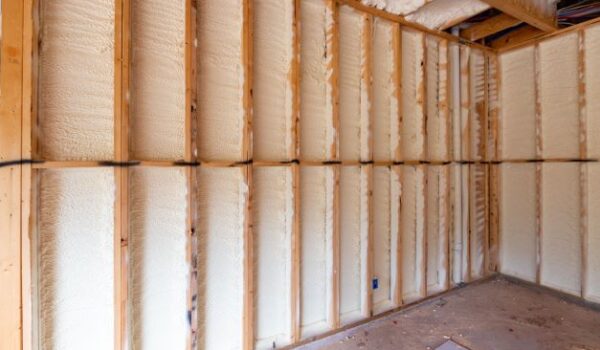
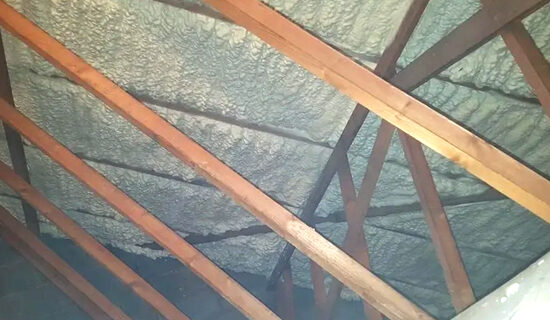
Cost-Effectiveness of Spray Foam Insulation
While the initial cost of spray foam insulation can be higher than traditional materials, its long-term savings potential makes it an economically sound choice. Spray foam’s superior air-sealing properties can significantly reduce heating and cooling costs, allowing homeowners to recoup their initial investment over time. Furthermore, because spray foam contributes to a more consistent indoor temperature, it can prolong the lifespan of HVAC systems by reducing wear and tear. Homeowners interested in sustainable living and long-term cost savings would benefit from considering both the upfront costs and the potential energy savings when choosing insulation types.
Spray Foam for Enhanced Indoor Air Quality
One of the lesser-known benefits of spray foam insulation is its ability to improve indoor air quality. By forming a tight seal around cavities and gaps, spray foam prevents outdoor pollutants, allergens, and dust from entering the home. This is particularly beneficial for individuals with allergies or respiratory issues. Moreover, because closed-cell spray foam is impervious to moisture, it can help prevent the growth of mould and mildew inside the walls, further contributing to a healthier indoor environment. Homeowners looking to create a safer and more comfortable living space should consider the air quality benefits of installing spray foam insulation.
The Environmental Impact of Spray Foam Insulation
The environmental considerations of using spray foam insulation are twofold. On one hand, its high efficiency in reducing energy consumption makes it an appealing option for environmentally conscious builders and homeowners. On the other hand, the chemicals involved in spray foam are potent and can have environmental impacts if not handled properly during installation. However, manufacturers have made significant strides in developing more eco-friendly spray foams that use water or environmentally benign blowing agents to reduce ozone depletion and global warming potential. When choosing spray foam, it is crucial to consider both the product’s performance and its environmental footprint to ensure a sustainable building practice.
Installation Best Practices for Spray Foam Insulation
Proper installation of spray foam insulation is crucial to maximising its effectiveness and safety. It’s essential that homeowners choose experienced and certified professionals to handle the installation process. Proper technique involves not only applying the foam correctly but also ensuring the area is adequately ventilated to avoid inhaling fumes. Moreover, the timing of the installation is important; temperature and humidity levels can significantly impact the foam’s expansion and curing process. Professionals will understand these nuances, including how to prepare the workspace, which type of foam is best for each part of the home, and how to ensure that the insulation adhered properly without voids or gaps. By adhering to these best practices, homeowners can ensure their insulation provides maximum thermal efficiency and longevity.
Future Innovations in Spray Foam Technology
The future of spray foam insulation looks promising with ongoing innovations aimed at increasing its sustainability and efficiency. Researchers are continually developing new formulas that reduce the environmental impact of the foams while maintaining or improving their insulative properties. Future advancements may include bio-based spray foams, which use natural materials such as soy or castor oil, reducing reliance on petrochemicals. Additionally, technological improvements are expected to enhance the application process, making it faster, cleaner, and more user-friendly. These innovations will not only make spray foam a more attractive option for eco-conscious consumers but also enhance its performance in various climatic conditions, potentially revolutionising how we insulate our homes and buildings.
Contact One Insulation Today For Spray Foam Insulation
Open-cell foam insulation is a popular choice for homeowners because it has a high R-value and is relatively affordable. Closed-cell foam is denser and more expensive than open-cell foam, but it also has a higher R-value and better moisture resistance.
If you’re considering installing spray foam insulation in your home, contact One Insulation today to learn more about the benefits of both types of foam and see which one would be the best fit for your needs. Having provided high-quality spray foam installations for several years, we should be your first port of call every time. Get in touch today to find out more.