Are you looking to make your home more energy efficient and save money on utility bills? Installing spray foam insulation is a great way to keep the warm air inside your house during the winter, cool air inside in the summer, and save on energy costs all year round.
Spray foam insulation creates an effective thermal barrier which increases comfort and decreases heating or cooling losses. It also acts as an excellent moisture vapour retarder preventing water from entering walls due to either condensation or infiltration.
In this blog post, our team at One Insulation will discuss why spray foam insulation is a cost-effective option for homeowners wanting to upgrade their homes while keeping their monthly expenses low!
What Is Spray Foam Insulation?
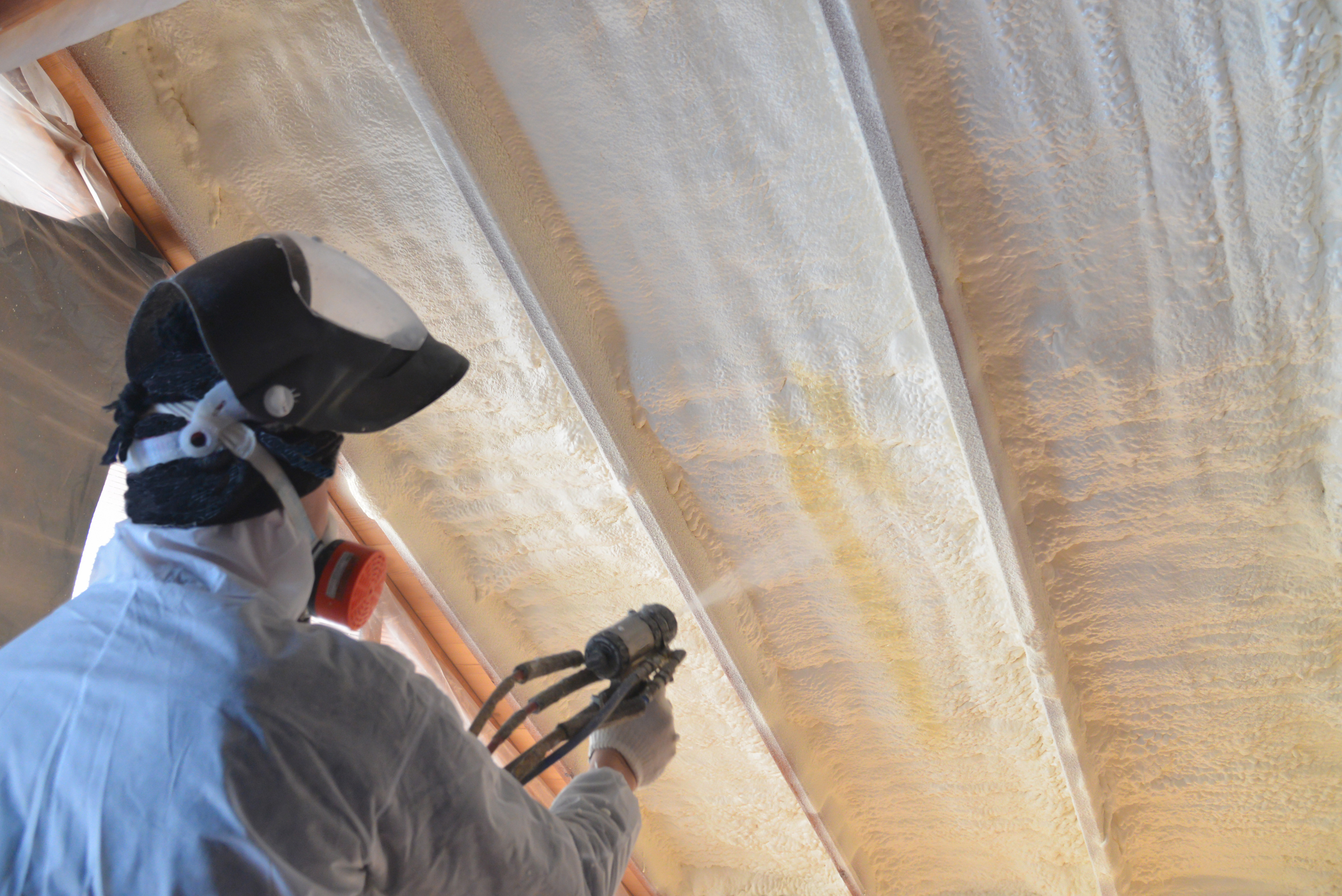
Spray foam insulation is a two-component system made of isocyanate and polyol resin, which, when mixed, react and expand to fill the cavity in which it is sprayed. The insulation forms a continuous barrier on the surface, making it a very effective method.
One of the key benefits of spray foam insulation is its high thermal performance, which means it can help keep buildings warm in the winter and cool in the summer. The insulation’s air-sealing properties also mean it can help prevent drafts and reduce the infiltration of outside air, resulting in lower energy costs.
Another advantage of spray foam insulation is its moisture resistance properties. The insulation forms a tight seal against the surface it is applied to, which can prevent moisture penetration and mould growth. The foam also has an added R-value per inch compared to traditional insulation materials such as fibreglass, so less thickness is needed to achieve the same insulating power.
Spray foam insulation is commonly used in new construction. Still, it can also be used to retrofit existing buildings, as long as the surface is prepared correctly and the insulation is applied by a professional.
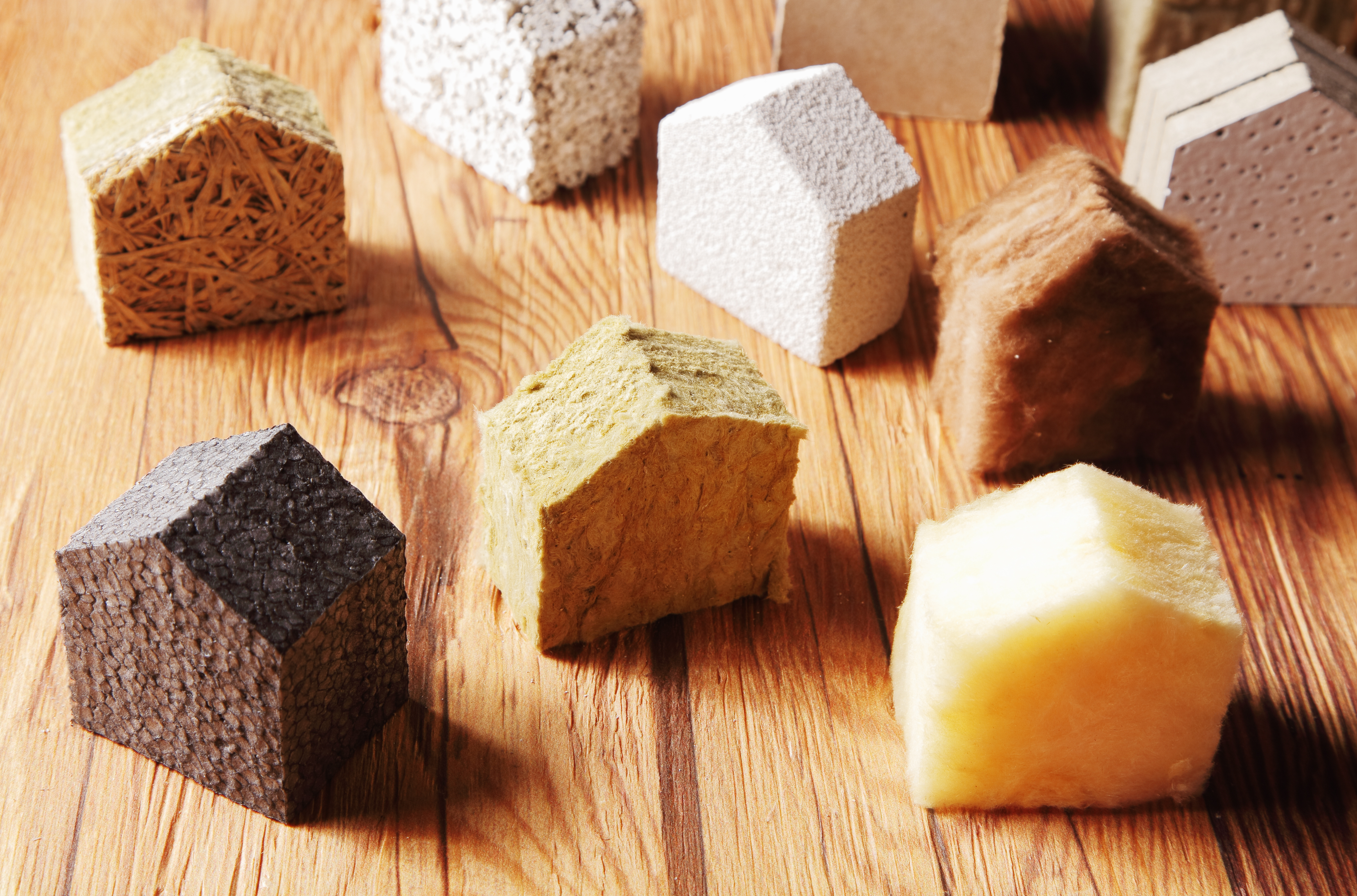
It comes in two basic types: open-cell foam and closed-cell foam. The open-cell foam is less dense and provides more flexible insulation, which is less expensive, but the closed-cell foam is denser and provides more rigid insulation and is more expensive.
Will Spray Foam Insulation Save Money On Your Energy Bills?
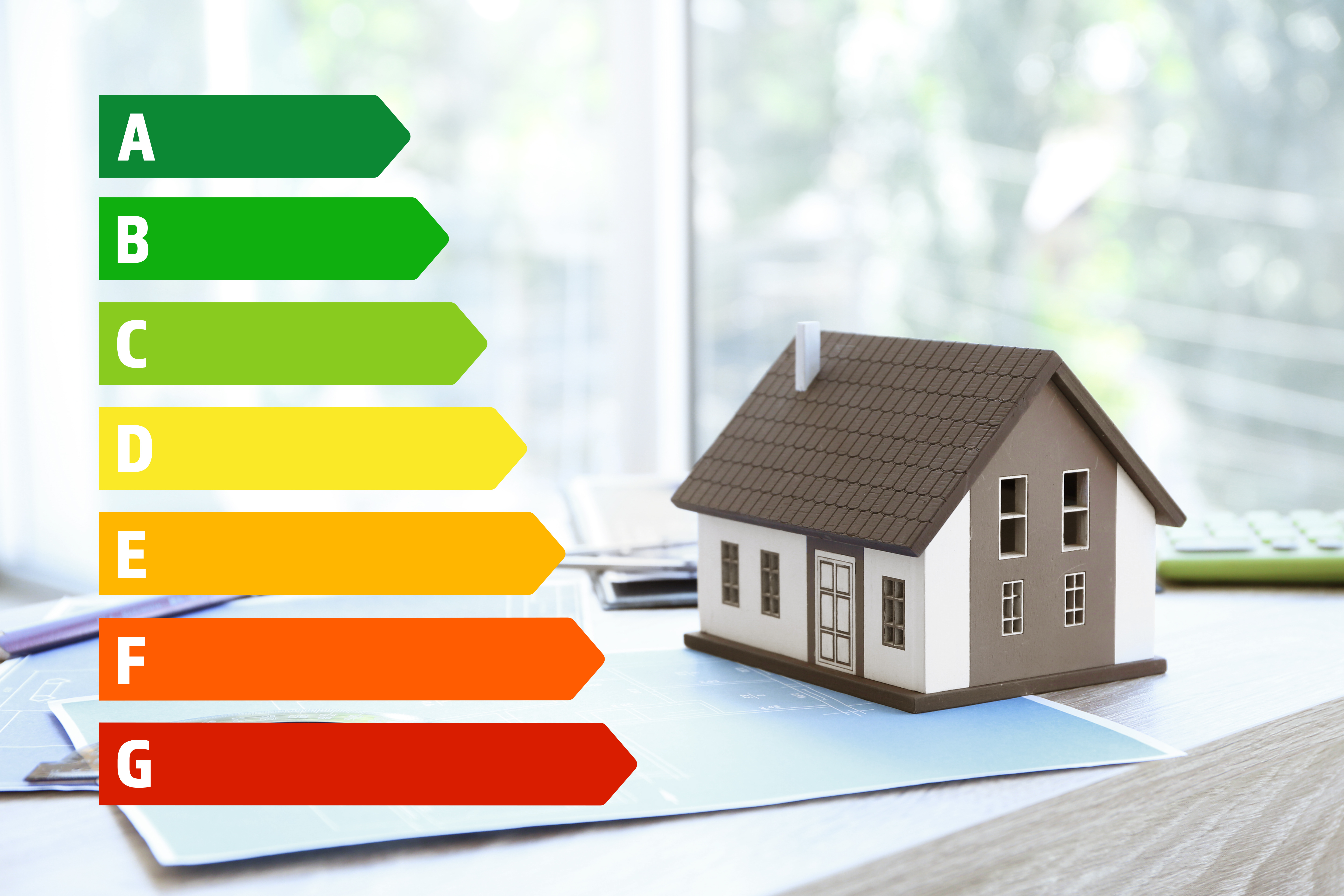
Yes, spray foam insulation in your home can help you save money on your energy bills. The high thermal performance of spray foam insulation means that it can keep your home warm in the winter and cool in the summer, resulting in lower heating and cooling costs. Additionally, the insulation’s air-sealing properties can help prevent drafts and reduce the infiltration of outside air, leading to lower energy costs.
The effectiveness of insulation is usually measured by its R-value, which measures a material’s resistance to heat flow. Spray foam insulation has a higher R-value per inch than traditional insulation materials such as fibreglass.
This means you need less thickness of spray foam insulation to achieve the same level of insulation as with traditional insulation materials. It will help you save space in your walls and ceilings, which can be helpful mainly if you have limited room for insulation.
While spray foam insulation can be more expensive to install than traditional insulation materials, long-term energy savings can compensate for the initial cost.
Additionally, because of its air-sealing properties and moisture resistance, it can also help prevent drafts, reduce mould growth and improve indoor air quality, which can result in additional savings and health benefits.
How Is Spray Foam Insulation Installed?
Professional insulation contractors typically install spray foam insulation, who will first assess the area to be insulated and determine the proper type and thickness of insulation needed.
The installation process typically involves the following steps:
Preparation: The contractor will remove any existing insulation and prepare the surface to be insulated by cleaning it and making any necessary repairs.
Application: The contractor will then mix the two components of the spray foam insulation (isocyanate and polyol resin) and apply it to the surface using special equipment, such as a spray gun. The insulation will be sprayed as a liquid and expand to form a solid foam. The insulation will be applied to the entire area, including around electrical outlets, windows, and other penetrations, to ensure a continuous barrier against heat loss or gain.
Curing: After application, the insulation must cure for some time (usually 24 hours) before it is safe to walk on or cover with drywall.
Cutting off excess insulation: An insulation professional will trim off excess insulation.
Cleanup: After the insulation is cured, the contractor will clean up the worksite and dispose of any materials and debris.
It’s essential to hire a professional, trained, certified contractor to ensure the insulation is installed correctly and to code. Moreover, It is also essential to ensure that the contractor is licensed and insured and has a good reputation before hiring them.

Choose Spray Foam Insulation From One Insulation Today!
So, there you have it—a few reasons spray foam insulation is an excellent choice for your home or business. It provides top-notch energy efficiency and is an environmentally friendly product that can help you save money on your energy bills month after month.
What’s not to love?
Contact One Insulation today if you’re interested in learning more about this fantastic product or want a quote for spray foam insulation installation. We’d be happy to answer any of your questions and help you get started with this incredible insulation option!