Delving into the realm of architectural designs and functionalities, pitched roofs have conspicuously held their ground for centuries, weaving themselves into various cultural and regional tapestries. The purpose of a roof extends beyond a mere shelter, acting as a shield, securing homes against the whims of nature. Pitched roofs, characterised by their sloping surfaces meeting at a peak, not only denote an archetypal image of a home but also offer a plethora of advantages that straddle both utilitarian and aesthetic spheres.
A Timeless Aesthetic Appeal
The visual allure that a pitched roof bestows upon a structure is undoubtedly timeless, lending it both character and a story. The sloping sides of a pitched roof create dynamic and aesthetically pleasing lines that can be adjusted or styled to suit various architectural motifs. The elevation and shape of pitched roofs enhance a structure’s presence, often creating an illusion of grandeur and timeless elegance. They have the capacity to transform both residential and commercial buildings into structures of nuanced aesthetic, creating a visual impact that transcends mere functionality.
Superior Weather Resistance
Pitched roofs silently stand as a building’s sentinel, warding off the varied moods of the weather with remarkable resilience. Their sloping nature inherently allows them to dispel water, snow, and debris effectively, reducing the likelihood of accumulation and subsequent structural issues. In regions that are prone to heavy rainfall or snow, the pitched roof ensures that water and snow slide off, minimising the risk of leakages and weight-related stress. Furthermore, the enhanced airflow under the pitches helps moderate temperatures during both hot and cold seasons, acting as a thermal regulator for the building beneath it.
Expansive Attic Space and Utility
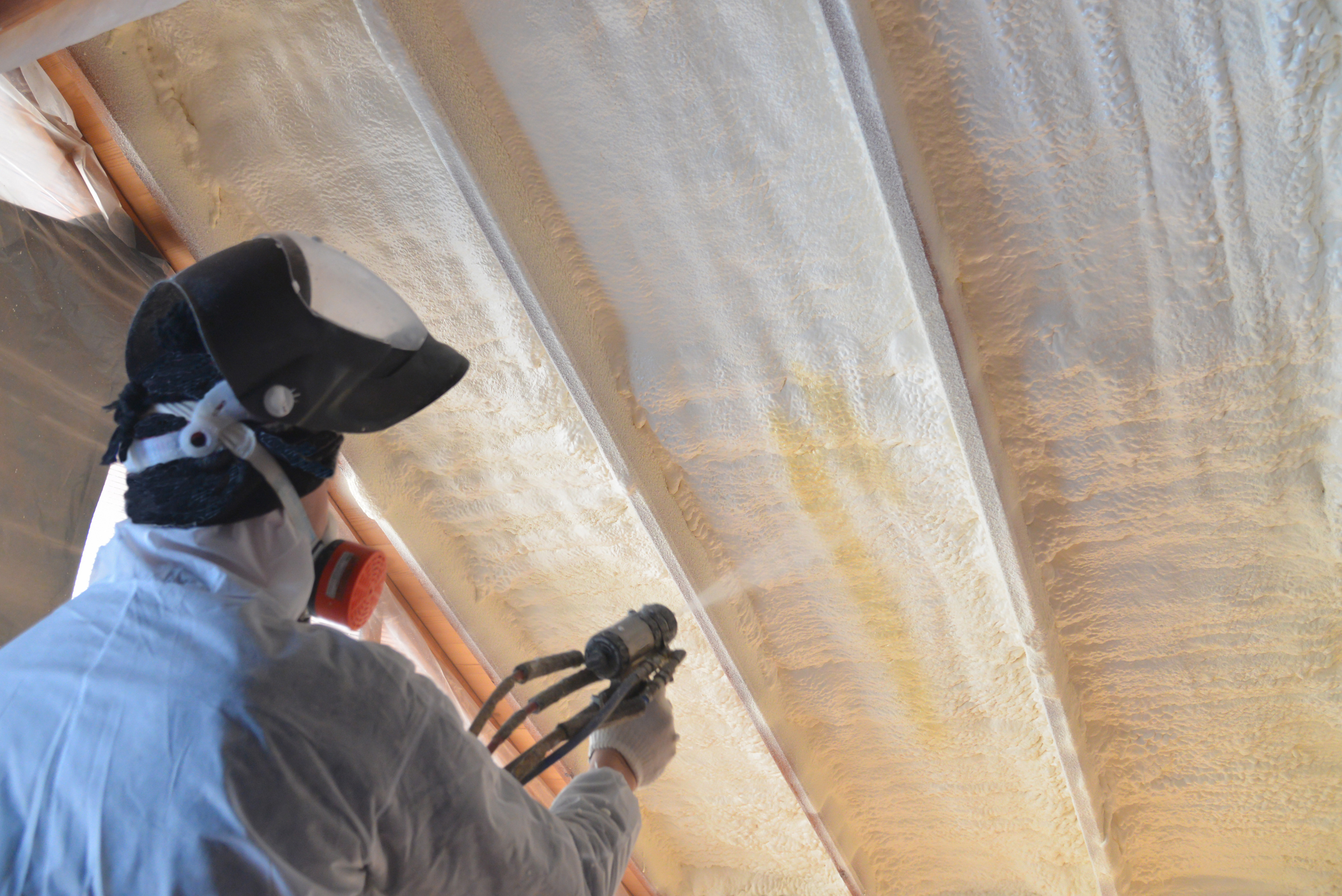
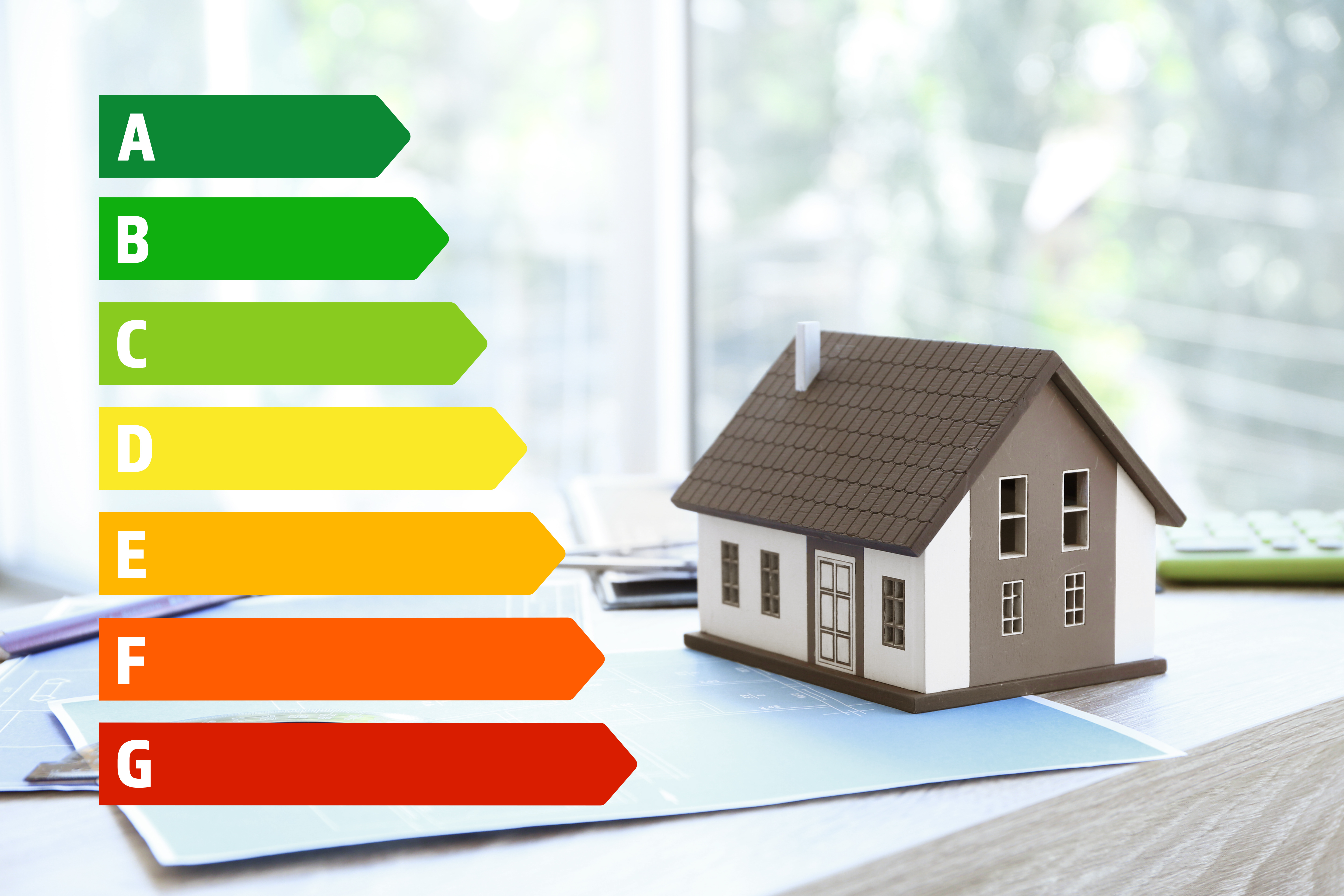
The geometrical design of pitched roofs conveniently carves out an expansive attic space that is ripe for a multitude of uses. This attic space, tucked under the inclined planes of the roof, opens up possibilities for additional living areas, storage, or even a cosy loft conversion. Not just a spatial advantage, the attic also acts as an additional layer of insulation, creating a buffer zone that mitigates temperature fluctuations, thereby contributing to energy efficiency. This ability to host extra functional areas without compromising on the exterior aesthetics is a distinctive advantage, amalgamating utility with form seamlessly.
Durability and Longevity: A Worthy Investment
Opting for a pitched roof often translates into an investment towards longevity and reduced long-term maintenance. Due to their structural design and inherent capability to ward off environmental stressors, pitched roofs often boast a lifespan that outlives flatter counterparts. The minimised standing water and reduced wear and tear due to weather conditions lead to a lower likelihood of requiring frequent repairs. Furthermore, the materials commonly used for pitched roofs, such as tiles or shingles, are often selected for their durability and ability to withstand diverse weather conditions, thereby assuring homeowners of a robust shield that will stand the test of time.
Enhanced Ventilation and Energy Efficiency
When exploring the advantages of pitched roofs, one cannot ignore their contribution to enhanced ventilation and energy efficiency within a dwelling. The design of a pitched roof allows for optimal air circulation, regulating temperatures and ensuring that any hot or cold air does not stagnate. Particularly in hotter climates, the pitched roof helps to divert hot air upwards and away, maintaining a cooler living space below. Conversely, during colder seasons, the additional attic space can be utilised to install insulation, trapping heat and ensuring energy is not wasted through the roof.


Adaptability to Diverse Architectural Styles
Pitched roofs, while maintaining a classic charm, also boast a commendable adaptability to various architectural styles, making them a versatile choice for diverse building designs. Whether it be a quaint cottage, a grandiose mansion, or a sleek modern home, the pitched roof can be moulded, altered, and styled to complement different architectural languages. The angle, materials, and detailing of the pitch can be modified to align with traditional, contemporary, or hybrid aesthetics, thereby providing architects and homeowners with a flexible canvas that can be tailor-made to realise various architectural visions and preferences.
Environmentally Friendly Options
The environmental aspect of building design has become paramount in contemporary contexts, and pitched roofs pave the way for integrating eco-friendly features into structures. The inclined surfaces of pitched roofs provide an optimal platform for installing solar panels, enabling homeowners and businesses to harness solar energy efficiently. Furthermore, the materials used for pitched roofing, such as slate or clay tiles, are often sourced naturally and can be recycled, reducing the ecological footprint of the building. Moreover, with appropriate design considerations, pitched roofs can facilitate rainwater harvesting systems, channelling water effectively towards storage tanks and thereby contributing towards sustainable water management practices.
Safety and Accessibility
From a safety and accessibility standpoint, pitched roofs also proffer notable benefits. The slope of the roof enables easy access for maintenance activities like cleaning, repair, or renovations, reducing the risk associated with performing such tasks on flatter surfaces. The incline provides a natural fall protection and reduces the accumulation of debris, thus minimising the frequency and intensity of maintenance. Moreover, in regions prone to wildfires, a pitched roof, especially when constructed with fire-resistant materials like metal or tile, can significantly mitigate the risk of fire spreading, offering an additional layer of safety to the inhabitants and the structure itself. By enveloping a plethora of practical and aesthetic benefits, pitched roofs have solidified their reputation in the architectural world, catering to a myriad of styles, preferences, and necessities. They stand as embodiments of versatility, aesthetic allure, and robustness, gracefully bridging the past, present, and future of architectural design and technology.
A Confluence of Form and Function
Pitched roofs effortlessly marry form with function, presenting a solution that is not only aesthetically enriching but also structurally beneficial. While they impart a classic, timeless charm to buildings, they simultaneously safeguard them against the rigours of varied weather conditions, affirming their status as a worthy architectural choice. Their durability, added spatial utility, and capacity to enhance energy efficiency further solidify their standing as a preferred roofing style for many architects, builders, and homeowners alike. Consequently, as we move towards a future that demands sustainability and resilience, pitched roofs stand tall, promising a shelter that is as steadfast as it is enchanting. Contact the team at One Insulation to find out more.