Condensation, an unwelcome guest in many homes, can stealthily wreak havoc on your home’s structural integrity while promoting mould growth. For those grappling with this menace, spray foam insulation has proven to be a beacon of hope. Dive in with us as we explore the marvels of this solution.
Unravelling the Mystique of Condensation
At its core, condensation is a simple phenomenon. It comes to life when warm air, laden with moisture, brushes against a cooler surface. This interaction forces the moisture from the air to settle onto the cooler surface in the form of water droplets. This typically happens in homes where the protective barrier of insulation is missing or deficient, leading to a stark temperature contrast between the inside and outside. Prime suspects include windows, metal objects, and under-insulated walls. The repercussions of unchecked condensation aren’t just aesthetic blemishes; they branch out to structural issues like wood rot, unsightly paint damage, and even hazardous mould proliferation.
Demystifying Spray Foam Insulation
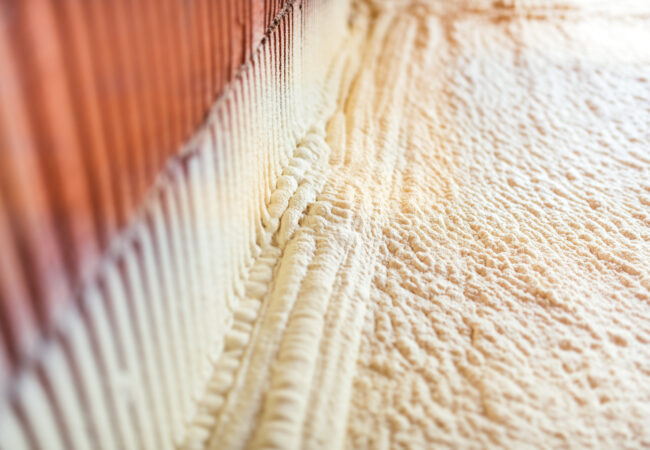
A dynamic entity, spray foam insulation is born as a liquid but rapidly evolves. On application, it swells, hungry to fill every crevice and crack, forging an uninterrupted guard against external elements. The spray foam family comprises two primary members: open-cell and closed-cell foam. While both provide insulation, they have distinct specialisations. Open-cell foam, with its lighter and airier constitution, doubles as an acoustic buffer, muting external noises. In contrast, closed-cell foam, with its dense structure, emerges as a stalwart against both moisture and air intrusion.

The Harmonious Dance Between Spray Foam and Condensation
Spray foam insulation is more than just a barrier; it’s an active combatant against condensation. Firstly, it evens the playing field by harmonising the temperature between your home’s internal surfaces and the ambient air. This thermal equilibrium drastically diminishes the chances of condensation. Moreover, spray foam is uncompromising in its mission to keep external air at bay. By eliminating any pathways for moist external air, it shields the home’s interior from potential condensation threats. Furthermore, closed-cell spray foam’s innate talent lies in its role as a moisture barrier, holding external humidity at arm’s length, even in regions where humidity levels are characteristically high.
Embarking on the Spray Foam Journey: Points to Ponder
Opting for spray foam insulation isn’t just a purchase; it’s an investment in your home’s future health. But this venture isn’t without its considerations. To truly harness spray foam’s potential, it’s imperative to rope in professionals for the installation. Their expertise ensures that the foam seamlessly integrates with your home, leaving no chinks in the armour. However, a tightly sealed home, while being a bastion against condensation, may inadvertently trap stale air within. It becomes essential, then, to ensure your home has mechanisms to swap this stale air with the rejuvenating breath of the outdoors, possibly through the integration of mechanical ventilation systems. It’s also worth noting that while spray foam may seem pricier at the outset, compared to traditional insulating mediums like fibreglass, its long-term dividends in energy conservation and condensation deterrence often validate the initial expenditure.
Safety First: Health Implications
While the advantages of spray foam insulation are aplenty, it’s crucial to approach its installation with safety at the forefront. During the application process, the chemicals used can release fumes that may be harmful if inhaled. It’s vital to ensure that the space being insulated is well-ventilated and that protective gear, such as masks and goggles, are utilised. Once the foam sets, it becomes inert, posing no health risks. However, the installation period demands caution.


A Green Perspective: Environmental Impact of Spray Foam
Spray foam insulation, in addition to its primary benefits, also plays a pivotal role in energy conservation. By effectively sealing homes, it reduces the strain on heating and cooling systems, leading to decreased energy consumption. This not only translates to cost savings but also lessens the carbon footprint of the household. Furthermore, by reducing the instances of mould growth, it minimises the use of chemicals and treatments that might harm the environment.
Durability and Maintenance of Spray Foam Insulation
Often, when homeowners make an investment in their property, a pressing concern is the longevity of the chosen solution. Spray foam insulation is not merely a short-term remedy; it offers a durable shield that stands the test of time. Unlike traditional insulation which may sag, deteriorate, or become less effective over the years, spray foam retains its shape and properties, ensuring consistent performance throughout its lifespan.This resilience is rooted in the foam’s chemical makeup, allowing it to resist common threats like pests, moisture, and age-related wear and tear.
Furthermore, spray foam requires minimal maintenance. Unlike other forms of insulation that may need periodic checks and replacements, once spray foam is set, it remains robust and effective with little to no intervention. However, it’s beneficial for homeowners to occasionally inspect the insulation, particularly after any significant home renovations or incidents that might compromise its integrity. Such proactive measures ensure that any potential issues are addressed promptly, maximising the life and effectiveness of the insulation. In the grand tapestry of home improvement, spray foam insulation emerges not as a fleeting trend, but as a lasting solution, ensuring comfort, safety, and energy efficiency for years to come.
In Conclusion
Navigating the challenges of condensation becomes markedly smoother with spray foam insulation in your arsenal. Beyond its immediate benefits, it also offers a sustainable solution in today’s environmentally conscious landscape. By prioritising professional installation and maintaining an awareness of safety and ventilation, homeowners can cultivate a haven—comfortable, dry, and green. Contact the team at One Insulation to find out more about our spray foam insulation.